Skip to content

Humanitarian crises

Millions of people, most of them in Muslim communities, are living through war, displacement and hunger. This page explains each crisis using UN figures and links to registered charities working on the ground.

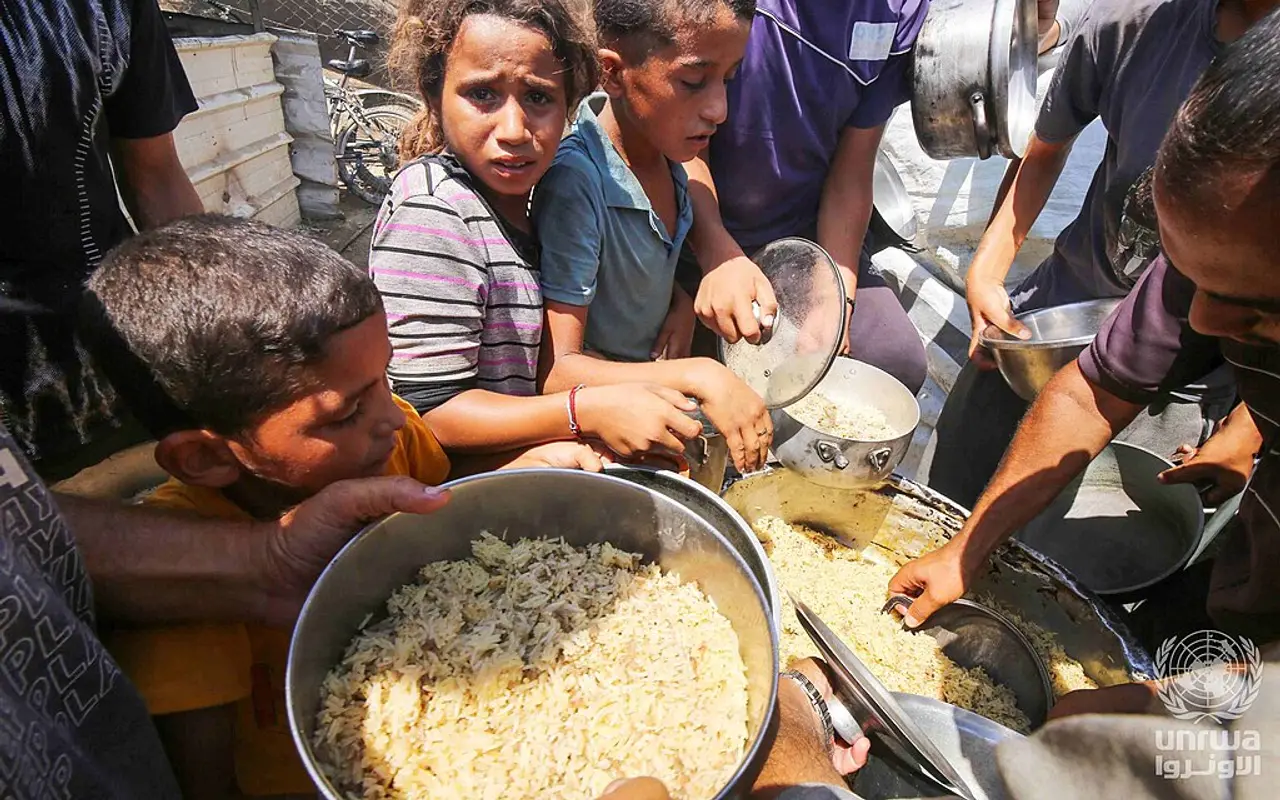
Displaced Palestinians holding pots as they line up for cooked food in Deir el-Balah, Gaza
Displaced families line up for food from charities in Deir el-Balah, 2024. Photo (cropped): Ashraf Amra / UNRWA · CC BY-SA 3.0 IGO (opens in a new tab)

Palestine · Middle East

Gaza and the West Bank

Palestinians killed since October 2023 (Gaza Ministry of Health, via WHO, 31 August 2026)
73,000+
People in Gaza, nearly all of them displaced (UN OCHA, 2026)
2.1M
Share of pre-war health service points still working (UN OCHA, July 2026)
44%

Since October 2023, the war in Gaza has killed more than 73,000 Palestinians and injured over 174,000, according to the Gaza Ministry of Health. Whole neighbourhoods have been destroyed. Nearly all of Gaza's 2.1 million people have been forced from their homes, many of them several times, and most now live in hundreds of overcrowded sites made up of tents and makeshift shelters.

In August 2025 the Integrated Food Security Phase Classification (IPC), the global standard for measuring hunger, confirmed famine in Gaza Governorate. A ceasefire was announced on 10 October 2025 and more food got through, so by December no area was classified as being in famine. Hunger has not ended, though. The IPC projects that about 1.4 million people will face high levels of acute food insecurity through December 2026, and that around 101,000 young children will suffer acute malnutrition.

Military activity has continued since the ceasefire and people are still being killed and injured. Only 44% of the health service points that existed before October 2023 are working. Water and sanitation systems break down regularly, raising the risk of sewage overflows and disease, especially in the rainy season. In the West Bank, about 850 Palestinians were injured in settler attacks in the first half of 2026 alone. The UN's 2026 Flash Appeal asks for just over $4 billion to help 3.6 million people across Gaza and the West Bank.

What people need most

  • Food, clean water and nutrition support for children and mothers
  • Medical care, medicines and rebuilt health services
  • Shelter that holds up in winter, plus sanitation
  • Psychosocial support and protection for women and children

Where to give

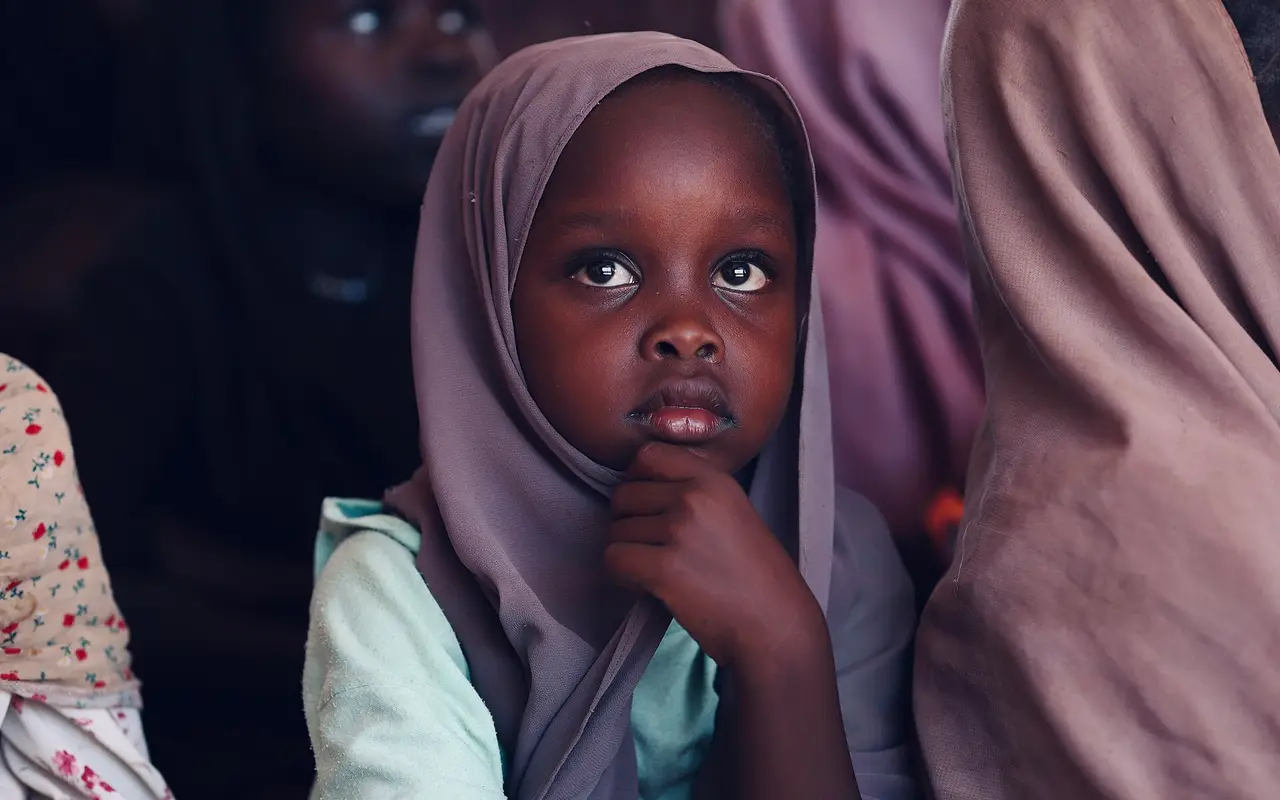
A young girl in a headscarf looking at the camera in a camp for displaced people in Sudan
A camp for families who fled the fighting in El Fasher, North Darfur, June 2025. Photo (cropped): Ahmed 222222 · CC0 (opens in a new tab)

Sudan · East Africa

Sudan

People who need humanitarian aid, 17.3 million of them children (UN, 2026)
33.7M
People displaced inside Sudan (UN, August 2026)
9M+
People facing acute food insecurity (UNICEF, 2026)
21M

War broke out on 15 April 2023 between the Sudanese Armed Forces and the paramilitary Rapid Support Forces. Three years later, the UN calls Sudan the world's largest displacement crisis and its largest hunger crisis. More than nine million people are displaced inside the country, and millions more have fled to Chad, Egypt, South Sudan and other neighbours, where UNHCR is appealing to support 4.3 million refugees.

Famine has been confirmed in parts of Darfur and Kordofan. Cities including El Fasher, Kadugli and Dilling have been placed under siege, cutting hundreds of thousands of civilians off from food, water and aid. El Fasher fell to the Rapid Support Forces in October 2025 after a siege of about 18 months, followed by reports of mass killings and a new wave of people fleeing, many of them to camps such as the one in the photo.

Sudan's health system is close to collapse. Many hospitals are closed or damaged, cholera and other outbreaks recur, and more than 800,000 children are at risk of severe malnutrition. Funding has not kept pace: by August 2026 the UN's $3 billion humanitarian appeal for Sudan was only 40% funded.

What people need most

  • Emergency food and treatment for malnourished children
  • Health care, cholera response and support for hospitals
  • Clean water and shelter for displaced families
  • Protection for women and children fleeing violence

Where to give

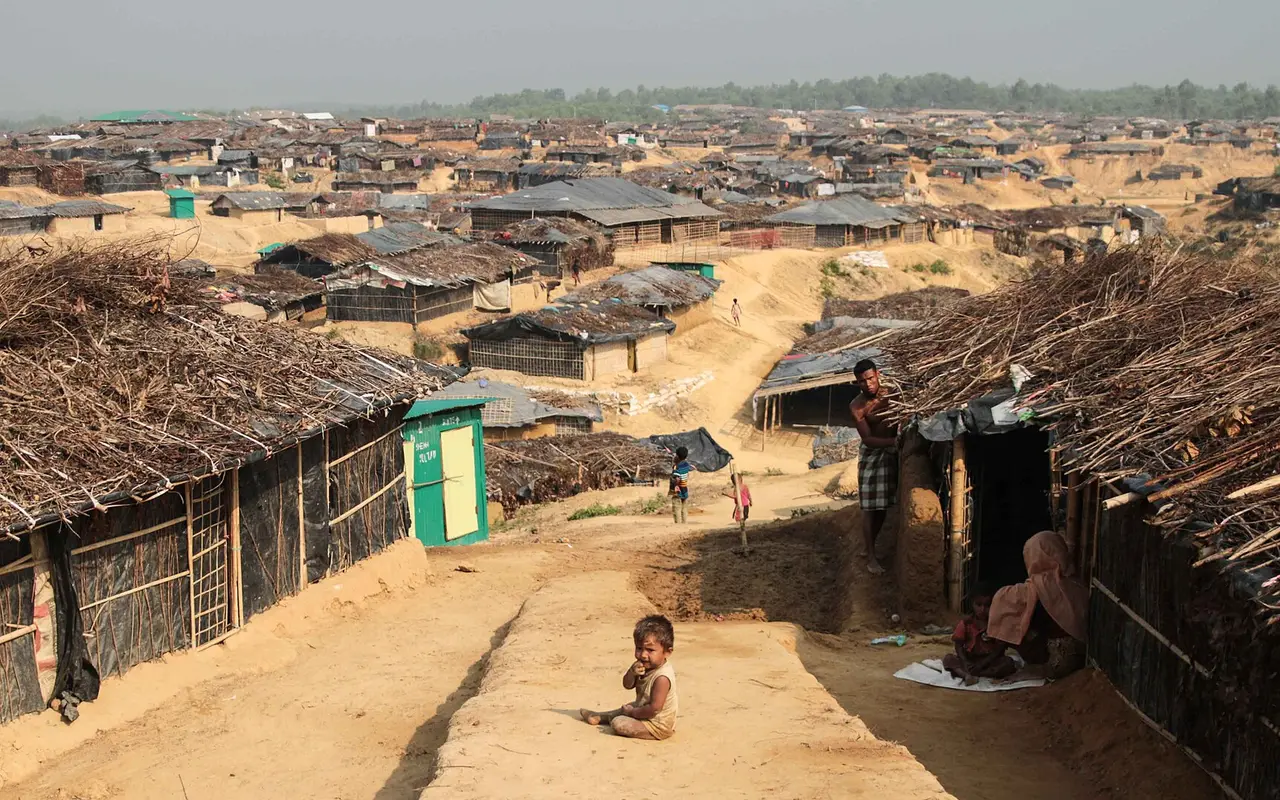
Rows of bamboo and tarpaulin shelters stretching across the hills of Kutupalong refugee camp
Kutupalong, part of the world's largest refugee settlement, in Cox's Bazar, Bangladesh. Photo (cropped): John Owens / VOA · Public domain (opens in a new tab)

Myanmar and Bangladesh · South Asia

The Rohingya

Rohingya refugees in Cox's Bazar (UNHCR, 31 August 2026)
1.17M
Refugees expected to face crisis or emergency hunger levels this year (UN, 2026)
35%
Monthly food ration per person for most households (WFP, 2026)
$7

The Rohingya are a mostly Muslim minority from Myanmar's Rakhine State, and most have been denied citizenship under Myanmar's 1982 citizenship law. In August 2017, military operations forced more than 700,000 Rohingya to flee to Bangladesh in a matter of weeks. Whether Myanmar violated the Genocide Convention is now before the International Court of Justice, in a case brought by The Gambia.

Renewed fighting in Rakhine has pushed more people out since 2024: UNHCR says Bangladesh received about 150,000 new Rohingya refugees in 18 months. Today 1,170,978 Rohingya refugees live in the camps of Cox's Bazar, in bamboo and tarpaulin shelters exposed to monsoon floods, landslides, fires and disease. Refugees are largely not allowed to work, so almost every family depends on aid.

That aid is shrinking. The 2026 appeal asks for $710.5 million, 26% less than the year before, and focuses only on the most critical needs. Most households get food assistance worth just $7 per person per month. Health clinics have closed because of funding cuts, and 35% of refugees are expected to face crisis or emergency levels of hunger this year.

What people need most

  • Food assistance and nutrition for children
  • Primary health care and reopened clinics
  • Shelter repair and protection from monsoon damage
  • Education and safe spaces for children

Where to give

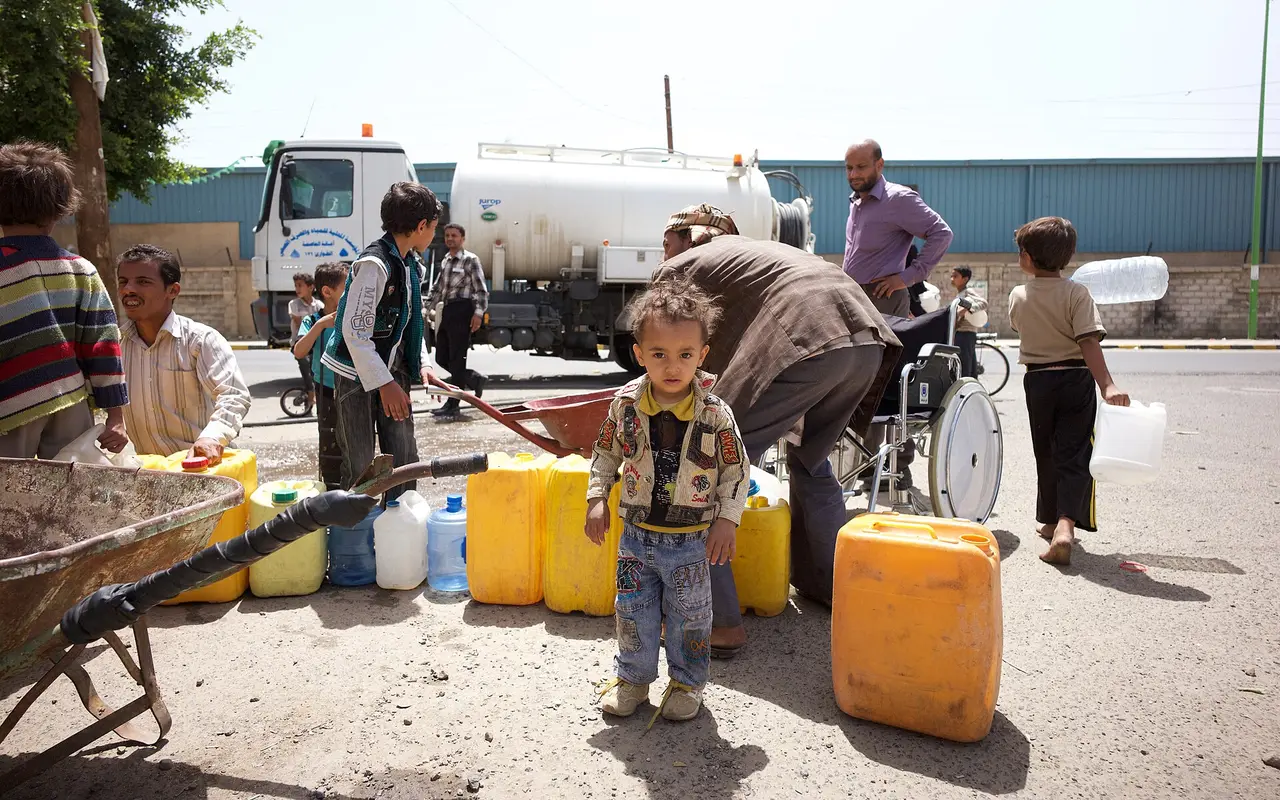
A small child stands among yellow water containers as families collect water from a tanker truck in Sanaa
Families collect trucked water in Sanaa after fuel shortages shut down the city's water network. Photo (cropped): Julien Harneis · CC BY-SA 2.0 (opens in a new tab)

Yemen · Arabian Peninsula

Yemen

People who need humanitarian assistance in 2026 (UN OCHA)
22M+
People facing acute food insecurity (UN OCHA, 2026)
18.3M
Needed for the 2026 humanitarian response (UN OCHA)
$2.16B

More than a decade of conflict has made Yemen one of the world's worst humanitarian crises. In 2026, more than 22 million people, including almost 11 million women and girls, need humanitarian assistance and protection: well over half the population.

The economy has collapsed. The currency has lost much of its value, public salaries go unpaid and food prices are out of reach for millions of families, leaving 18.3 million people acutely food insecure. Cholera, measles and other diseases spread easily where clean water and health care are scarce, and children are hit hardest by malnutrition.

Aid groups are trying to reach people with less money and less access than before. The 2026 Humanitarian Needs and Response Plan asks for $2.16 billion, including $1.6 billion for prioritised life-saving work for the most vulnerable.

What people need most

  • Food assistance and treatment for malnutrition
  • Clean water, sanitation and cholera prevention
  • Health care, vaccinations and medicines
  • Cash support for families with no income

Where to give

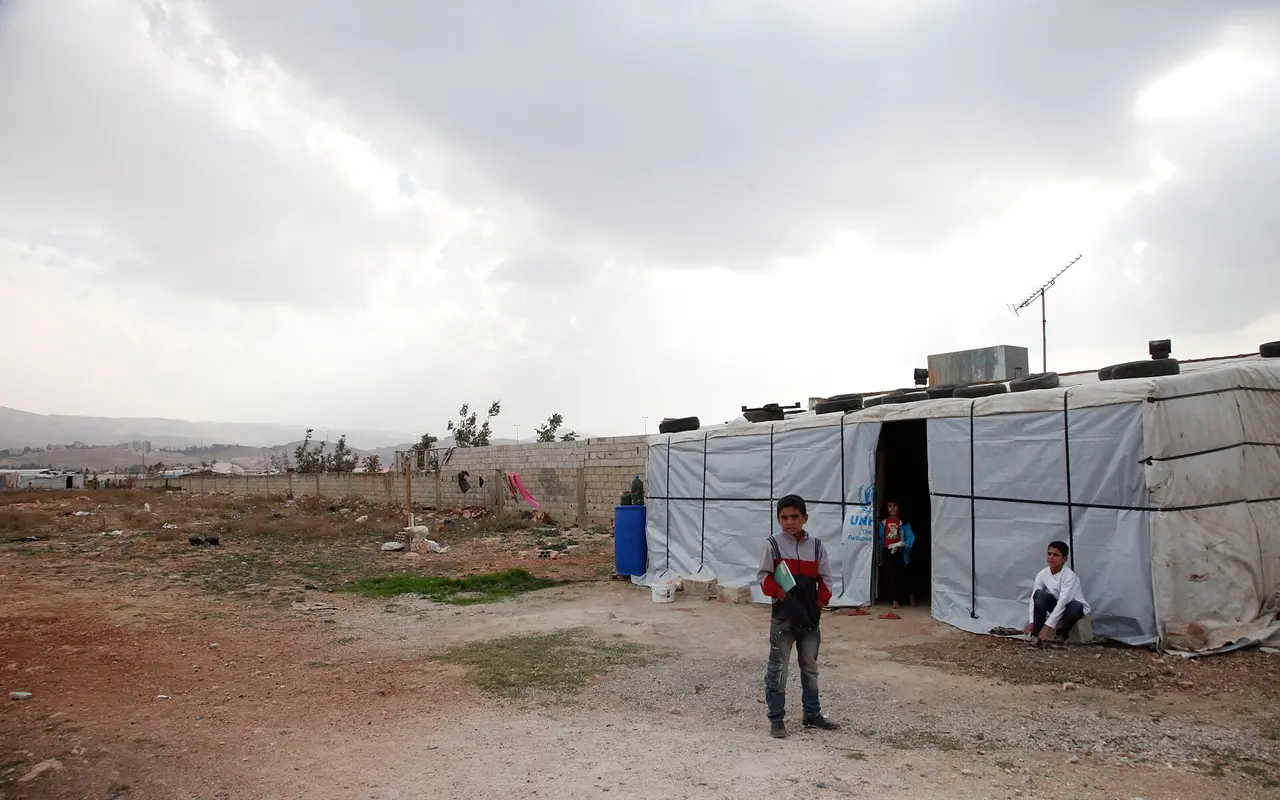
A Syrian boy standing outside a tent shelter made of timber and plastic sheeting in an informal camp
Syrian refugee children outside their temporary home in Lebanon's Bekaa Valley. Photo (cropped): UK Department for International Development · CC BY 2.0 (opens in a new tab)

Syria · Middle East

Syria

People in need of humanitarian assistance (UN OCHA, 2026)
15.6M
People facing acute food insecurity (UN OCHA, 2026)
7M+
Refugees who have returned since December 2024 (UNHCR)
1.3M+

Since 2011, war in Syria has killed hundreds of thousands of people and forced about half the population from their homes, creating one of the largest refugee crises of our time. In February 2023, earthquakes in northern Syria and southern Türkiye caused further devastation.

After the fall of the Assad government on 8 December 2024, many Syrians began going home. UNHCR estimates that more than 1.3 million refugees have returned from neighbouring countries and about 1.7 million internally displaced people have gone back to their areas of origin. Many find their houses destroyed, services missing and land contaminated with unexploded ordnance.

Syria is still one of the world's largest humanitarian crises: 15.6 million people need assistance and more than 7 million face acute food insecurity. Millions still live in camps in the north-west and north-east, and millions more remain refugees in Türkiye, Lebanon, Jordan and Iraq.

What people need most

  • Help for returning families to rebuild homes and livelihoods
  • Health care and rebuilt hospitals
  • Food and cash assistance
  • Clearance of unexploded ordnance and mine-risk education

Where to give

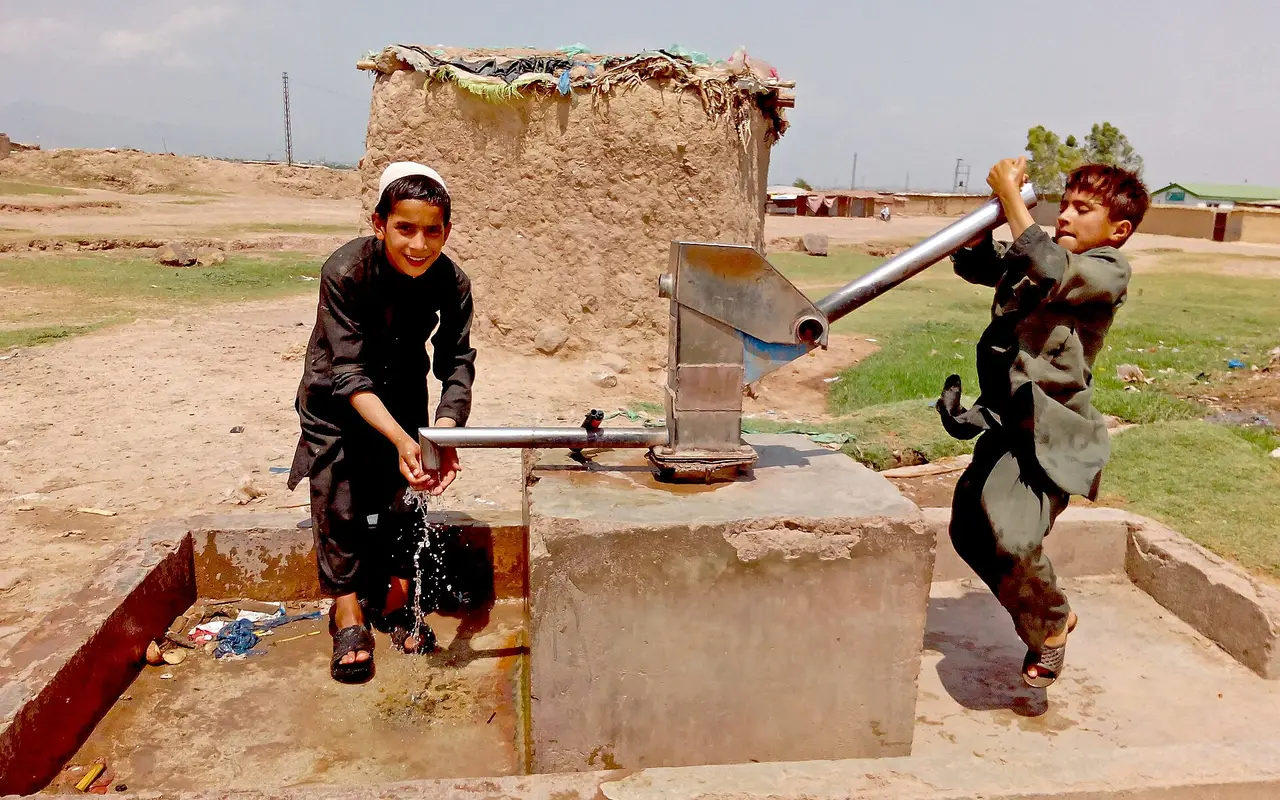
Two Afghan boys pumping water from a hand pump at a refugee settlement near Islamabad
Afghan refugee children at a settlement near Islamabad, Pakistan. Photo (cropped): Voice of America · Public domain (opens in a new tab)

Afghanistan · Central and South Asia

Afghanistan

People who need humanitarian aid in 2026, 45% of the population (UN OCHA)
21.9M
Afghans who have returned from Iran and Pakistan since September 2023 (UNHCR, June 2026)
6M+
Returns in 2025 alone (UNHCR)
2.8M+

Afghanistan has some of the highest humanitarian needs in the world outside an active war. In 2026, an estimated 21.9 million people, 45% of the population, need humanitarian assistance. Drought, floods, disease outbreaks and a weak economy keep millions of families close to hunger.

Since September 2023, more than six million Afghans have returned or been sent back from Iran and Pakistan, over 2.8 million of them in 2025 alone. Many arrive with almost nothing, to communities already struggling to provide jobs, housing and services. In August 2025, an earthquake in the eastern province of Kunar killed more than 2,000 people and destroyed thousands of homes.

Women and girls face severe restrictions. Girls are barred from secondary school and university, and women are restricted from many kinds of work, which also makes it harder for aid to reach the families who need it most. Cuts to international funding have forced clinics and food programmes to scale back.

What people need most

  • Food assistance and nutrition for children
  • Shelter, cash and reintegration support for returnees
  • Health care, especially for mothers and children
  • Earthquake recovery and preparedness

Where to give

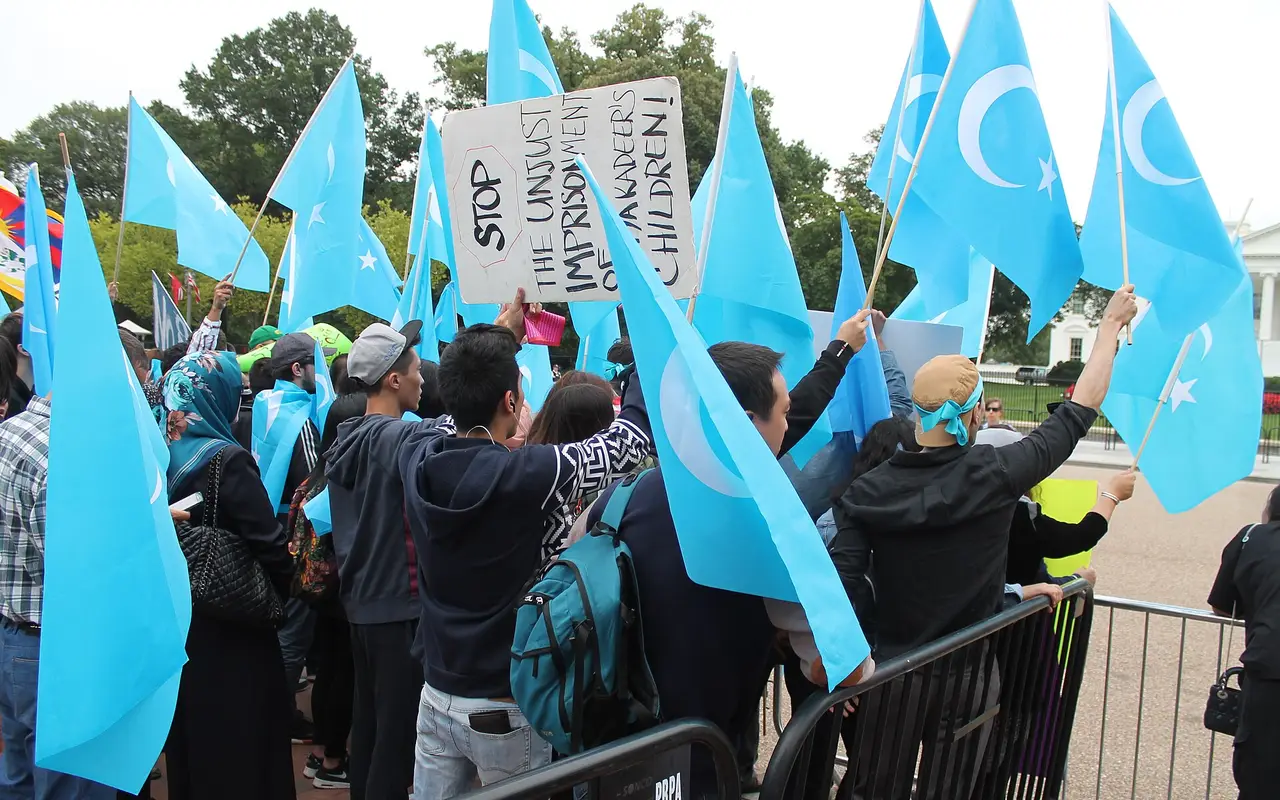
Demonstrators holding blue flags and a sign reading 'Stop the unjust imprisonment' at a Uyghur rights protest in Washington, DC
A Uyghur human-rights demonstration in Washington, DC, 2015. Photo (cropped): Elvert Barnes · CC BY-SA 2.0 (opens in a new tab)

Xinjiang, China · Central Asia

The Uyghurs

Year the UN human-rights office found possible crimes against humanity (OHCHR)
2022
People reportedly held in camps, per credible reports cited by a UN committee (CERD, 2018)
Up to 1M

The Uyghurs are a mostly Muslim Turkic people from the Xinjiang region of north-west China. In 2018, the UN Committee on the Elimination of Racial Discrimination cited credible reports that up to one million Uyghurs and other Muslims had been held in internment camps, which the Chinese government calls vocational education and training centres.

In August 2022, the UN Office of the High Commissioner for Human Rights published an assessment that found serious human rights violations in Xinjiang. It concluded that the arbitrary and discriminatory detention of Uyghurs and other predominantly Muslim groups "may constitute international crimes, in particular crimes against humanity". It also documented credible allegations of torture, restrictions on religious practice and family separation, and warned that the conditions for these violations remain in place.

This is a human-rights crisis rather than a famine or displacement emergency, so the most useful support goes to the organisations that document abuses, support affected families and push governments and companies to act.

What people need most

  • Independent documentation of detentions and abuses
  • Support for families separated from detained relatives
  • Pressure on companies to keep forced labour out of supply chains

Where to give

How to give safely

How to give safely

Fake fundraisers appear whenever a crisis is in the news. To make sure your money reaches people:

  • Give through a registered charity, and open its website yourself rather than following a link someone sent you.
  • Prefer organisations already working in the area. They can deliver aid faster than new appeals.
  • Check charity registers such as the UK Charity Commission or Charity Navigator (US), or look for Pakistani charities certified by the Pakistan Centre for Philanthropy.
  • Keep your receipt. If you are paying zakat, choose a fund the charity marks as zakat-eligible.
  • Unrestricted donations, which the charity can spend where the need is greatest, are usually the most useful.

About this page

ZNova is a software studio, not a charity. We do not collect or handle donations: every link on this page goes straight to the organisation's own website. Figures come from UN agencies and the named authorities, and are dated because these situations change quickly. For the latest updates, see ReliefWeb and UN OCHA.

Popular searches

Change theme